What every North Potomac homeowner should know about sump pump failures
Sump pump failure in North Potomac MD usually comes down to power loss, a stuck float, or a clogged intake. Here is what causes it, what repairs cost, and how to prevent it.
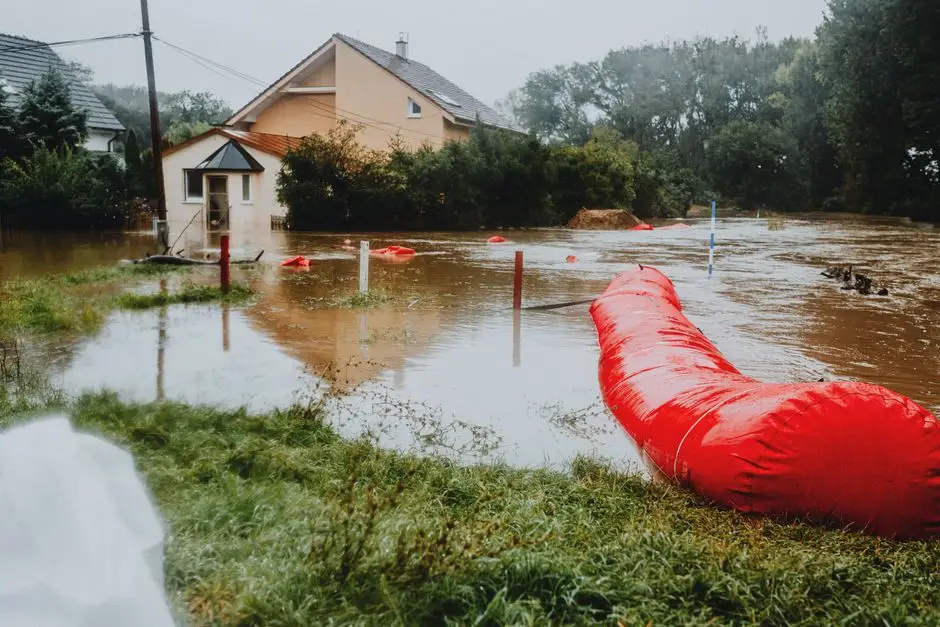
Sump pump failure in North Potomac MD happens most often when the pump loses power during a storm, the float switch sticks, or the intake screen clogs with sediment. Any one of those three turns a working pump into a dead one in under a minute, and the water that was supposed to leave your basement starts rising instead. This guide covers the real causes we see on calls across North Potomac, what a repair or replacement costs in 2026, and the maintenance schedule that keeps your pump alive through the spring thaw and summer storms.
We run water damage repair Gaithersburg MD calls year-round, and the pattern is always the same: the pump quits on a Tuesday night, the homeowner finds two inches of water Wednesday morning, and by then the drywall wicking is already underway. Knowing why pumps fail is the difference between a $400 repair and a $9,000 basement rebuild.
Why sump pumps fail in North Potomac, Maryland
North Potomac sits on clay-heavy soil that sheds water slowly, and that single fact drives most of the pump failures we diagnose here. When rain hits the region, the ground cannot absorb it fast enough, so hydrostatic pressure pushes water against your foundation and into the drain tile. Your sump pump is the last line of defense, and it runs far more hours per storm than a pump in sandy or sloped terrain would.
Add the housing stock. A large share of North Potomac homes were built between the late 1970s and the 1990s, which means the original pumps in many basements are 20 to 35 years old. Pumps have a service life of about 7 to 10 years under normal use. Under the load this area puts on them, we see plenty quit at year six.
Then there is the power problem. Summer thunderstorms and winter ice knock out electricity in this part of Montgomery County several times a year. A sump pump without battery backup is useless the moment the grid drops, and the grid tends to drop during the exact storm that is filling your pit.
If you have already taken on water, our team handles Water Damage Repair in Gaithersburg for basements, crawl spaces, and finished lower levels, and we can usually be on-site the same day.
The five most common causes we see
Across hundreds of North Potomac service calls, sump pump failure causes North Potomac homeowners deal with fall into five buckets. Here they are in the order we encounter them.
- Power loss. The pump is fine; the outlet is dead. No backup battery means no pumping.
- Stuck or failed float switch. The float is the part that tells the pump to turn on. Debris, mineral buildup, or a cracked arm leaves the pump sitting silent while the pit fills.
- Clogged intake screen or impeller. Silt, gravel, and small debris from the drain tile jam the intake. The motor hums but moves no water.
- Frozen or blocked discharge line. If the line exits through an exterior wall, a winter freeze plugs it solid. The pump runs, water has nowhere to go, and it cycles itself to death.
- Dead motor or worn bearings. Age, continuous cycling, and grit in the housing wear the motor out. You will hear grinding or nothing at all.
Two of those five - power loss and a stuck float - account for roughly 60% of the failures we see in this area. Both are preventable, and both are cheap to fix before they cost you a basement.
Why did my sump pump fail in North Potomac MD?
If your pump stopped working during or right after a storm, the answer is almost always power loss or a float switch that could not cycle fast enough. If it failed on a dry day, the cause is mechanical - a worn motor, a clogged intake, or a float that finally gave out.
Here is how to tell them apart in five minutes:
- Check the outlet with a lamp or phone charger. If the outlet is dead, you lost power, not the pump.
- Lift the float by hand. If the pump kicks on, the switch is the problem. If nothing happens, the motor or the circuit is.
- Listen for a hum with no water movement. That is a clogged impeller or a seized bearing.
- Look at the discharge line outside. Ice, leaves, or a crushed end will block flow even on a healthy pump.
We get called for Water Damage Restoration in North Potomac after almost every major storm, and nine times out of ten the homeowner can point to one of those four symptoms. Knowing which one you have tells you whether you need a $40 float switch or a full replacement.
What to do when your sump pump fails in North Potomac
When your sump pump fails in North Potomac, the first move is to stop the water from spreading, not to fix the pump. Water sitting against drywall for more than 24 to 48 hours starts growing mold, and mold remediation costs three to five times what a fast dry-out does.
Do these in order:
- Kill the power to the basement at the breaker if water is anywhere near outlets or the panel.
- Move anything porous - cardboard, rugs, furniture - off the wet floor.
- Extract standing water with a wet/dry vac or a utility pump if you have one. Every gallon you pull out is a gallon that is not wicking into drywall.
- Document everything with photos and video before you clean up. Your insurance adjuster will want it.
- Call for emergency sump pump repair North Potomac MD and a water damage assessment at the same time. The pump fix and the dry-out are two different jobs, and both need to happen today.
If the water reached carpet, baseboards, or the bottom of drywall, do not try to dry it with fans alone. We use commercial dehumidifiers and air movers that pull moisture out of framing in 3 to 5 days instead of the 2 to 3 weeks a box fan takes - and by then the mold has already started.
Sump pump maintenance North Potomac homeowners should follow
Sump pump maintenance North Potomac homeowners actually stick to comes down to four tasks, done on a schedule. Skip them and you are gambling on a machine that only gets one chance per storm.
- Test the pump every 60 to 90 days. Pour a bucket of water into the pit and watch it cycle. If it hesitates, it is already failing.
- Clean the intake screen twice a year - once in late fall before winter, once in early spring after the thaw.
- Check the discharge line before every winter. Make sure it slopes away from the house and the exterior end is not buried or iced over.
- Replace the battery in your backup system every 3 to 5 years. A backup with a dead battery is a decoration.
We also recommend a professional inspection every 12 months. A technician can test the check valve, measure amp draw on the motor, and catch a worn float before it strands you. That visit typically runs $120 to $200 in 2026 and takes under an hour.
If your pump is more than 8 years old and you have never had it serviced, book a Water Damage Restoration in Darnestown inspection - the soil and drainage conditions just west of you are nearly identical, and we see the same failure pattern there every season.
Repair or replace? Costs and timelines for 2026
Typical 2026 pricing in this area runs $150 to $350 for a float switch or check valve replacement, $250 to $500 for a full pump swap on an existing pit, and $600 to $1,400 if the pit needs to be enlarged or the discharge line rerouted. A battery backup system adds $350 to $800 installed.
Here is the rule we give homeowners: if the pump is under 7 years old and the motor is fine, repair it. If it is over 8 years old, or if it has failed twice in two years, replace it. A new pump is cheaper than one flooded basement, every time.
Timelines matter too. A pump replacement is a 2 to 4 hour job. A float switch swap is under an hour. Water extraction and structural drying after a failure takes 3 to 5 days, and if drywall or carpet has to be replaced, you are looking at 1 to 2 weeks of work.
For larger properties - multi-unit buildings, HOA common areas, or commercial basements - the scope changes. We handle commercial water damage restoration in Gaithersburg for those jobs, including after-hours response so tenants are not displaced any longer than necessary.
Common mistakes that turn a small leak into a flooded basement
The most expensive sump pump failures we see are not the ones where the pump died. They are the ones where the homeowner made a fixable problem worse.
Watch out for these:
- Ignoring the warning signs. A pump that runs constantly, rattles, or short-cycles is telling you it is about to quit. Most people wait until it does.
- Discharging into the wrong place. Pumping water back toward the foundation, into a flower bed that slopes toward the house, or into a floor drain that backs up just recycles the water.
- Skipping the backup battery. The storm that kills your power is the same storm filling your pit. This is not a coincidence; it is physics.
- Running an extension cord to a backup pump. That is a shock and fire hazard, not a solution.
- Waiting to call about water damage. Every hour of delay adds mold risk and cost. The 24-to-48-hour window is real.
If you have already made one of these mistakes, it is not too late. We deal with the aftermath of all of them, and the fix is usually faster than homeowners expect.
When to call a professional
Call a professional the moment your pump fails during a storm, your basement has standing water, or your pump is over 8 years old and has never been serviced. Those three situations cover the vast majority of emergencies we respond to.
You should also call if you see any of these:
- Water rising in the pit faster than the pump can move it
- A burning smell or tripped breaker when the pump runs
- Discharge water pooling against the foundation
- Any sign of moisture on basement walls, baseboards, or carpet after a storm
At Water Damage Restoration, we diagnose the pump, fix or replace it, and handle the water damage in one visit. We quote the work upfront before we start, so you know the number before we pull a tool out of the truck.
Frequently Asked Questions
Why did my sump pump fail in North Potomac MD?
The most common causes are power loss during a storm (about 30% of cases), a stuck or failed float switch (another 30%), a clogged intake screen, a frozen discharge line, or a motor that has simply reached the end of its 7-to-10-year life. If it failed on a dry day, it is almost always mechanical.
What should I do when my sump pump fails in North Potomac?
Cut power to the basement if water is near outlets, move porous items off the floor, extract standing water with a wet/dry vac, and photograph everything for insurance. Then call for emergency sump pump repair and a water damage assessment the same day. Mold starts growing within 24 to 48 hours, so speed matters more than anything else.
How often should sump pumps be serviced in North Potomac Maryland?
Test the pump yourself every 60 to 90 days by pouring a bucket of water into the pit. Book a professional inspection once a year, ideally in early fall before the winter freeze. Clean the intake screen twice a year and replace backup batteries every 3 to 5 years.
How much does sump pump replacement cost in North Potomac MD?
In 2026, a standard pump replacement on an existing pit runs $250 to $500 installed. Adding a battery backup system is $350 to $800 more. If the pit needs enlarging or the discharge line needs rerouting, expect $600 to $1,400 total. Repair of a float switch or check valve is $150 to $350.
Can I prevent sump pump failure in North Potomac Maryland?
You can prevent most of them. Install a battery backup, test the pump quarterly, keep the intake screen clean, and make sure the discharge line exits well away from the foundation and stays clear in winter. A pump under 8 years old with those habits rarely fails without warning.
Get help with Water Damage Restoration in Gaithersburg
If your sump pump has failed and water is already in your basement, we can be on-site today. We repair or replace the pump, extract the water, and dry the structure so you are not dealing with mold three weeks from now.
Call Water Damage Restoration at 123456789 for same-day sump pump repair and water damage restoration across North Potomac, Gaithersburg, and the surrounding Montgomery County area.