Water damage restoration cost in Gaithersburg: what homeowners actually pay
Real 2026 numbers for water damage restoration cost in Gaithersburg MD - category-by-category price ranges, what insurance covers, and what drives your final bill.
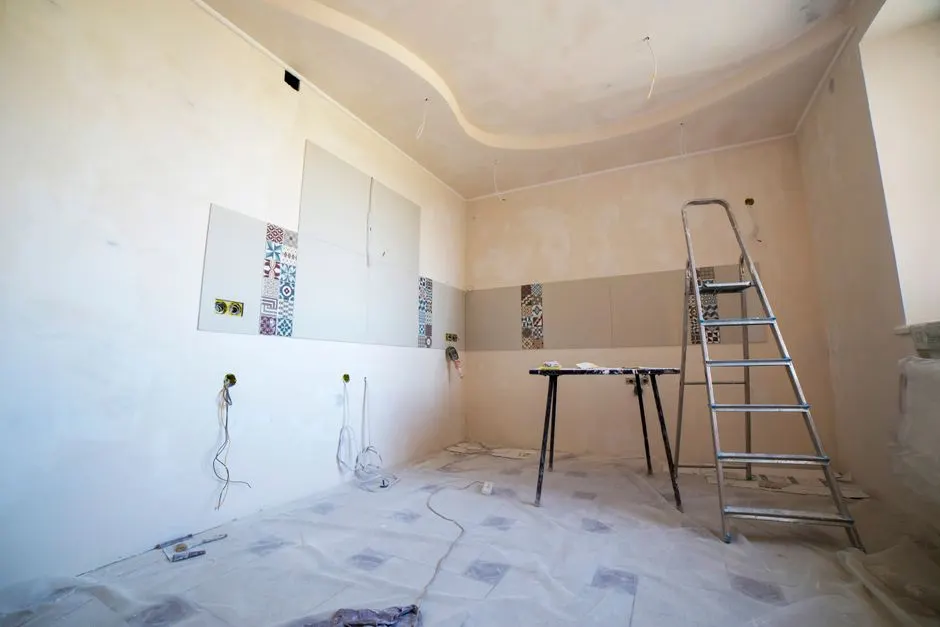
Most Gaithersburg homeowners pay between $1,200 and $6,500 for water damage restoration, and the average sits near $3,400 for a single affected room. Water damage restoration cost Gaithersburg MD homeowners actually see depends on three things: how much water got in, what category that water is, and how long it sat before anyone started drying. The rest of this post breaks down real 2026 pricing by damage type, explains what insurance typically covers, and shows you where a quote can quietly balloon.
What water damage restoration costs in Gaithersburg in 2026
Water damage restoration is the process of extracting standing water, drying structural materials to a verified moisture baseline, and repairing what cannot be saved - it is needed any time water has reached drywall, subfloor, or insulation and stayed there more than a few hours. Here is what that work runs in Gaithersburg right now.
- Category 1 (clean supply line, toilet tank, ice maker): $1,200-$3,200 for one room, 2-3 days of drying.
- Category 2 (washing machine, dishwasher, tub overflow, AC condensate): $2,400-$5,800, 3-5 days, plus antimicrobial treatment.
- Category 3 (sewage backup, groundwater, storm intrusion): $4,500-$12,000+, 5-7 days, contaminated materials removed.
- Slab leak or supply line under the floor: $3,800-$9,500, because flooring and sometimes a section of slab come up.
- Finished basement, 800-1,200 sq ft: $6,500-$18,000 if drywall, carpet, and baseboards all go.
Those ranges include extraction, drying equipment, moisture monitoring, and standard rebuild. They do not include mold remediation if growth is already visible, and they do not include replacing high-end finishes. A mid-grade engineered hardwood floor costs us roughly $6-$9 per square foot to replace in this market; carpet and pad run $3-$5 installed.
The four categories that decide your price
Every restoration quote in Gaithersburg starts with classifying the water, because the category sets the safety protocol and the disposal cost. Category 1 is clean water from a sanitary source. Category 2 is grey water with some contamination. Category 3 is black water - sewage, ground surface water, or anything that has sat long enough to grow dangerous bacteria. Category 4 is a sub-classification for water with significant microbial or chemical load, usually from long-standing sewage or industrial runoff.
The jump from Category 1 to Category 3 is the single biggest cost multiplier you will see. Clean water on a hardwood floor might mean dry-in-place and refinish. Sewage on the same floor means the hardwood comes out, the subfloor gets treated or replaced, and the room is negative-air contained while we work. Same square footage, three times the price.
We also see this pattern constantly in the older townhome clusters around Montgomery Village water damage restoration, where a shared supply line failure on an upper floor can push water through two units before anyone notices. Multi-unit losses almost always land in Category 2 or 3 by the time we arrive, because the water has traveled through building cavities and picked up whatever was in them.
What drives the bill up in Gaithersburg homes
Two Gaithersburg houses with identical square footage can get quotes $4,000 apart, and it is almost never the drying equipment. It is these factors:
- Age of the home. A 1970s split-level in the Goshen area has copper supply lines that are 50 years old and galvanized drain lines that corrode from the inside. A 2015 townhome in the Kentlands has PEX and PVC, which fail differently and usually leak less before you catch them.
- Where the water went. Water that stays on a tile floor is a $1,500 job. Water that wicks into a wall cavity and soaks the bottom plate is a $5,000 job, because we have to open the wall, dry the framing, and rebuild.
- How long it sat. Mold can begin colonizing wet drywall in 24 to 48 hours. Every day past that adds remediation scope, and remediation is priced separately from drying.
- Materials. Vinyl plank and ceramic tile survive most clean-water events. Hardwood, laminate, and carpet padding usually do not.
- Access. A finished basement with a drop ceiling is easy to dry. A finished basement with a glued drywall ceiling means we cut access panels, and that is labor.
We handle a lot of these calls as straightforward Water Damage Repair in Gaithersburg - extract, dry, repair, done - but the honest answer is that the repair portion is rarely the expensive part. The drying and the mold prevention are.
How much does water damage restoration cost per square foot in Gaithersburg MD?
Water damage repair cost per square foot Gaithersburg MD runs $3.50 to $8.00 for drying and standard rebuild, and $9.00 to $14.00 per square foot when contaminated materials have to be removed and replaced. Those numbers are for the affected area only - not your whole house.
Here is how that breaks down on a typical 200-square-foot bedroom with wet carpet and wicking baseboards:
- Extraction and setup: $350-$600
- Drying equipment, 3 days: $600-$1,100
- Antimicrobial treatment: $150-$400
- Carpet and pad removal and disposal: $250-$500
- Baseboard removal and reinstall: $300-$700
- Drywall repair and paint: $400-$900
That lands you between $2,050 and $4,200 for one bedroom - which is why the per-square-foot number is a starting point, not a quote. The per-square-foot figure is useful for comparing bids on the same scope. It is useless for comparing a Category 1 loss to a Category 3 loss.
Does insurance cover water damage restoration cost in Gaithersburg?
Yes, most standard Maryland homeowners policies cover sudden and accidental water damage - a burst pipe, a failed water heater, an appliance supply line - and typically cover it after your deductible. They generally do not cover gradual leaks, long-term seepage, or groundwater flooding, which requires a separate flood policy through the National Flood Insurance Program or a private carrier.
The distinction that matters most is sudden versus gradual. If your water heater rusted out over two years and finally let go, that is usually covered. If your shower pan has been leaking into the subfloor for eight months and you only noticed because the floor got soft, that is usually denied as long-term seepage. Adjusters look at the loss history, the moisture readings, and the condition of the failed component.
What you pay out of pocket on a covered claim is your deductible plus anything above your policy limits. Maryland homeowners deductibles commonly run $1,000 to $2,500. If your policy has a separate windstorm or water backup endorsement, that deductible may be different - check the declarations page before you assume.
We document every loss the same way whether it is going to insurance or not: moisture maps, photo logs, daily drying records, and a written scope. That documentation is what gets claims approved instead of argued about.
What to watch out for when you get quotes
The cheapest quote is frequently the most expensive job, and in this trade the gap usually shows up in one of five places.
- No moisture readings in the quote. If a company quotes you without a meter on the wall, they are guessing. Guessing means either under-drying, which grows mold, or over-drying, which you pay for.
- Drying equipment counted by the day, not by the job. Some outfits leave blowers running a week past dry. Ask for daily moisture logs.
- Mold remediation buried in the drying line item. Those are separate scopes with separate protocols. If mold is present, it should be its own line.
- Rebuild quoted by someone who is not doing the rebuild. Drying companies that subcontract the drywall and paint often lose money on the sub and pass that to you.
- No written scope at all. A number on a business card is not a scope. You want rooms, materials, equipment, and days.
One more: be careful with any company that offers to "handle the insurance" and asks you to sign a direction-to-pay before you have seen a scope. You can always assign payment later. You cannot easily un-assign it.
When to call a professional
Call us the same day if any of these are true: water has reached drywall, the wet area is larger than a bath mat, the water came from a toilet or drain, you can smell mustiness, or the leak has been running more than a few hours. Those are the conditions where a shop vac and a box fan stop being enough.
You can handle a small clean-water spill yourself - a knocked-over glass, a leaking plant saucer, a toilet tank that overflowed once and got wiped up within the hour. Dry it thoroughly, run a fan, and check the ceiling below if there is one. If the drywall feels soft the next morning, call.
Our team handles emergency water damage restoration Gaithersburg MD homeowners call about most often - burst supply lines, failed water heaters, sewage backups, and storm intrusion. We extract, dry, verify with meters, and repair. You get one crew from the first wet-vac to the final coat of paint.
We also work the surrounding communities, including Water Damage Restoration in North Potomac and Water Damage Restoration in Darnestown, where larger lots and well systems create their own failure patterns. If you are not sure whether your situation is a same-day call, describe it to us and we will tell you straight.
Frequently Asked Questions
How much does water damage restoration cost in Gaithersburg MD?
Most homeowners pay $1,200 to $6,500, with the average near $3,400 for a single room. Category 3 losses involving sewage or storm water run $4,500 to $12,000 or more. Your final number depends on water category, square footage affected, and how long the water sat before extraction began.
What is the average water damage restoration cost in Gaithersburg Maryland?
Around $3,400 for a typical single-room clean-water loss in 2026. That covers extraction, three days of drying, moisture monitoring, and standard rebuild of carpet, pad, and baseboards. Basement losses and contaminated water push the average considerably higher, often into the $7,000 to $15,000 range.
Does insurance cover water damage restoration cost in Gaithersburg?
Sudden and accidental losses - burst pipes, failed water heaters, appliance line failures - are typically covered after your deductible, usually $1,000 to $2,500 in Maryland. Gradual leaks, long-term seepage, and groundwater flooding are generally excluded. Flood coverage requires a separate policy.
How long does water damage restoration take?
Drying takes 3 to 5 days for most clean-water losses and 5 to 7 days for contaminated water. Rebuild adds another 3 to 10 days depending on drywall, flooring, and paint scope. A single-room Category 1 job is often fully finished in under two weeks.
Can I stay in my house during restoration?
Usually yes for a single-room loss. You should leave if the water was Category 3, if drying equipment is running in your only bedroom, or if the loss affected your kitchen and you have no way to prepare food. We will tell you honestly on the first visit.
Get help with Water Damage Restoration in Gaithersburg
If you have water where it should not be, call Water Damage Restoration and we will get a crew to your Gaithersburg address to extract, dry, and repair - with a written scope and a straight price before we start. One call, one crew, from the first wet-vac to the final coat of paint.
Call 123456789 now.