How to protect your Darnestown home from spring flooding
Spring flooding in Darnestown, MD, is predictable and preventable. Here's how to protect your home, from grading and sump pumps to early warning signs.
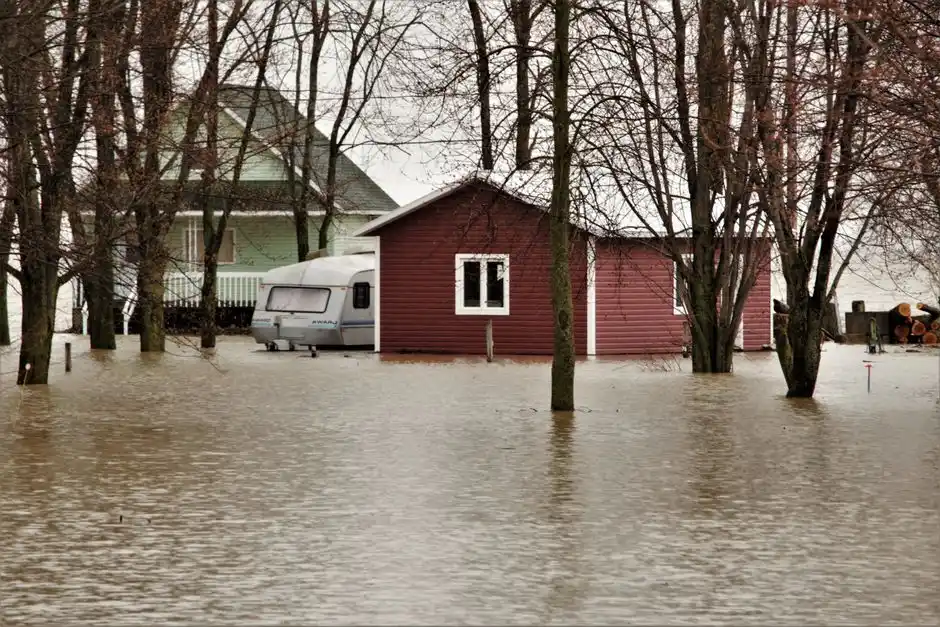
You protect your Darnestown home from spring flooding by moving water away from the foundation before it arrives - regrade the soil, clear gutters and downspouts, test your sump pump, and seal the cracks where groundwater seeps in. In Darnestown, the biggest risk window runs from late February through April, when snowmelt combines with 3 to 4 inches of typical spring rain and the clay-heavy soil on many lots stops absorbing water. This guide walks through the specific steps we take when we inspect homes here, the mistakes that make flooding worse, and when it's time to call in a crew.
Why Darnestown Homes Flood Every Spring
Spring flooding in Darnestown, MD, happens because the ground is still saturated or frozen when the heaviest rain arrives. Water that would normally soak into the soil has nowhere to go, so it follows the path of least resistance - usually toward your foundation.
Three local factors drive most of the calls we get in March and April:
- Clay soil. Much of Darnestown sits on heavy clay that drains slowly. Once it's saturated, it acts more like a bathtub than a sponge.
- Sloped lots. Homes on hillsides - common in the older subdivisions off Seneca Road and Darnestown Road - collect runoff from uphill neighbors.
- Aging drainage. Many houses here were built in the 1970s through 1990s. Original French drains, sump pits, and footer tiles are at or past their service life.
If you've noticed water in your basement after a heavy rain, that's not bad luck. It's a drainage problem with a fix.
Start With the Ground Around Your Foundation
The single most effective thing you can do to protect your Darnestown home from spring flooding is to make sure the ground slopes away from the house. The standard is a 6-inch drop over the first 10 feet. If your yard slopes toward the foundation, you're inviting water in.
Walk your perimeter after a rain and look for these:
- Low spots against the wall. Mulch beds that have settled over the years are the usual culprit. Add soil and re-grade so the surface tilts away.
- Downspout discharge too close. If your downspouts dump within 3 feet of the foundation, extend them to at least 6 to 10 feet. A $20 extension solves a $3,000 problem.
- Cracked or separated walkways and patios. Water pools in the gaps and finds its way down. Polyurethane caulk or mudjacking fixes most of these.
We also recommend checking window wells. A clogged well fills with water and pushes it straight against the basement wall. Clean the gravel, make sure the cover drains, and add a few inches of fresh gravel if it's packed.
Sump Pumps, Drains, and the Systems That Fail Quietly
Your sump pump is the last line of defense, and it's the piece of equipment most likely to fail without warning. Test it before the first big rain, not during it.
Here's the routine we run on every sump system:
- Pour a 5-gallon bucket of water into the pit. The float should trigger the pump within a few seconds.
- Watch the discharge outside. If water isn't moving, the line is frozen or clogged.
- Listen for grinding or rattling. A pump that's 8 to 10 years old is on borrowed time.
- Check the backup. Battery backups last 3 to 5 years; if yours is older, replace the battery before spring.
Floor drains and French drains deserve the same attention. If your basement floor drain backs up during a storm, the issue is usually in the footer tile or the municipal connection - not the drain itself. That's a job for a camera inspection, not a plunger.
If you've already had water intrusion this year, our team handles Water Damage Repair in Gaithersburg and can trace the source before you spend money on the wrong fix.
Roof, Gutters, and Downspouts: The Overhead Path
Water that never reaches your foundation can't flood your basement. That makes your roof and gutters the first line of defense.
Spring storms in Montgomery County routinely drop 1 to 2 inches in a few hours. A roof with a failed flashing detail or a gutter that's sagging under last fall's leaves will dump hundreds of gallons right where you don't want it.
Focus on four things:
- Clean gutters twice a year - late fall and again in early March before the spring rains.
- Check the slope. Gutters should pitch about 1/4 inch per 10 feet toward the downspout.
- Look for popped nails and separated seams. Both leak directly behind the fascia and into the wall cavity.
- Inspect the attic after a storm. Water stains on the underside of roof sheathing mean you have a leak that hasn't reached the ceiling yet.
Roof leaks and basement flooding often show up in the same week. If you're seeing both, call us before the damage spreads - we handle flood damage in Gaithersburg across the whole property, not just the wet room.
Common Mistakes That Make Spring Flooding Worse
The mistakes we see most often in Darnestown are the ones that feel like solutions but aren't.
- Sealing the basement wall from the inside only. Paint-on waterproofing hides the symptom. If hydrostatic pressure is pushing water through the block, it will find another seam within a season.
- Running a dehumidifier and calling it fixed. A dehumidifier manages humidity. It doesn't stop water from entering.
- Ignoring the first small stain. A 6-inch water stain on a basement wall is a warning. Six months later it's a 6-foot section of ruined drywall and mold.
- Waiting until the storm to test the pump. Power outages are common in spring storms. If your sump pump has no battery backup, it's useless when you need it most.
- Storing valuables on the basement floor. Even a 1-inch flood ruins cardboard boxes, electronics, and anything with a paper or fabric component.
The fix for most of these is cheap and fast - a few hours of work in February saves weeks of cleanup in April.
When to Call a Professional
Call a professional when water has already entered the home, when you can smell damp or musty air in the basement, or when you've regraded and cleaned gutters and water still shows up. Those three signs mean the problem is below grade or inside the wall cavity, and no amount of surface work will stop it.
We see this constantly in the older homes around Darnestown and the neighboring communities. Homes built before 1990 often have footer drains that have collapsed or silted shut. Fixing that requires excavation or interior drainage - not a bucket and a shop vac.
If you're seeing water in more than one room, or if the water has been sitting for more than 24 hours, mold becomes a real concern. We handle Water Damage Restoration in Darnestown and can usually assess the same day you call.
We also work with property managers and small businesses in the area. If you manage a commercial building, our commercial water damage restoration in Gaithersburg team handles larger losses with the same response time.
Frequently Asked Questions
How can I protect my Darnestown home from spring flooding?
Regrade soil so it slopes 6 inches away from the foundation over 10 feet, extend downspouts at least 6 feet, clean gutters in early March, and test your sump pump with a 5-gallon bucket before the first big rain. These four steps prevent the majority of spring flooding we see in Darnestown.
What causes spring flooding in Darnestown MD?
Snowmelt plus 3 to 4 inches of typical spring rain hitting clay soil that's still saturated or frozen. Water can't absorb, so it runs along the surface and finds cracks, window wells, and footer drains. Older homes with failing drainage systems flood first.
Who do I call for spring flood damage in Darnestown Maryland?
Call a licensed water damage restoration company that serves Darnestown and Gaithersburg. We respond to spring flood calls in the area, extract standing water, dry the structure, and treat for mold. Call 123456789 and we'll assess the same day.
How much does spring flood cleanup cost in Darnestown?
Typical 2026 pricing in this area runs $1,200 to $3,500 for a finished basement with 1 to 2 inches of water, and $500 to $1,500 for an unfinished basement. Cost depends on square footage, water category, and how long the water sat before extraction.
Does homeowners insurance cover spring flooding in Darnestown?
Standard homeowners policies cover sudden internal failures like a burst pipe or sump pump overflow, but not surface water or groundwater intrusion. You need a separate flood policy through the NFIP or a private carrier for that. Check your policy before spring.
Get Help with Water Damage Restoration in Gaithersburg
If spring water has already found its way into your Darnestown home, don't wait for it to dry on its own - mold starts growing within 24 to 48 hours. Our team at Water Damage Restoration serves Darnestown, Gaithersburg, and the surrounding communities with same-day response and upfront pricing.
Call 123456789 and we'll be on our way.